







In order to reduce the consumption of products that are harmful to the environment and health, as well as to ensure additional revenue for the State budget, the Saeima on Thursday, 4 December, approved in the final reading amendments to the Law on Excise Duties.
The amendments provide for a gradual increase of excise duties beginning in 2026 on several groups of products, including alcoholic beverages, tobacco products, non-alcoholic and energy drinks. Meanwhile, in two years’ time it is planned to abolish the reduced rate for petroleum products used in free ports and special economic zones.
Excise duties for strong alcoholic beverages will increase on 15 March 2026, followed by an increase for all alcoholic drinks on 1 March 2028. As a result, the final retail price of strong alcohol will increase by EUR 0.51 per bottle, of wine from EUR 0.15 to EUR 0.30 per bottle, and of beer by EUR 0.03 per bottle.
Next year, and again in 2027, excise duties for all tobacco products will be raised more rapidly—by five percent more than previously planned. Compared to this year’s prices, the cost of a pack of cigarettes will rise by EUR 2.20 in 2028, reaching EUR 7.50. For heated tobacco products, an increase of EUR 0.35 per pack is planned, while the price of a two-millilitre e-liquid container will rise by EUR 0.15.
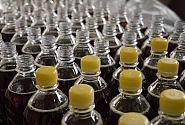
In 2028, excise duties will also increase for sweetened beverages, and a separate excise duty rate will be set for energy drinks.
It was also decreed that in 2028 non-alcoholic carbonated drinks prepared on site in food-service establishments will be subject to an excise duty. Previously, both still and carbonated beverages prepared at the point of sale for immediate consumption were exempt from such a duty.
Changes to excise duties will also apply to petroleum products. Beginning in 2028, the reduced duty rate for petroleum products used in free ports and special economic zones will be abolished. In order to promote the use of renewable and more environmentally friendly energy, including electricity, in equipment and machinery, the current reduced rate will be replaced with the application of a general excise duty rate. Businesses will be able to take advantage of existing excise duty relief for fuel until the end of 2027.
Saeima Press Service